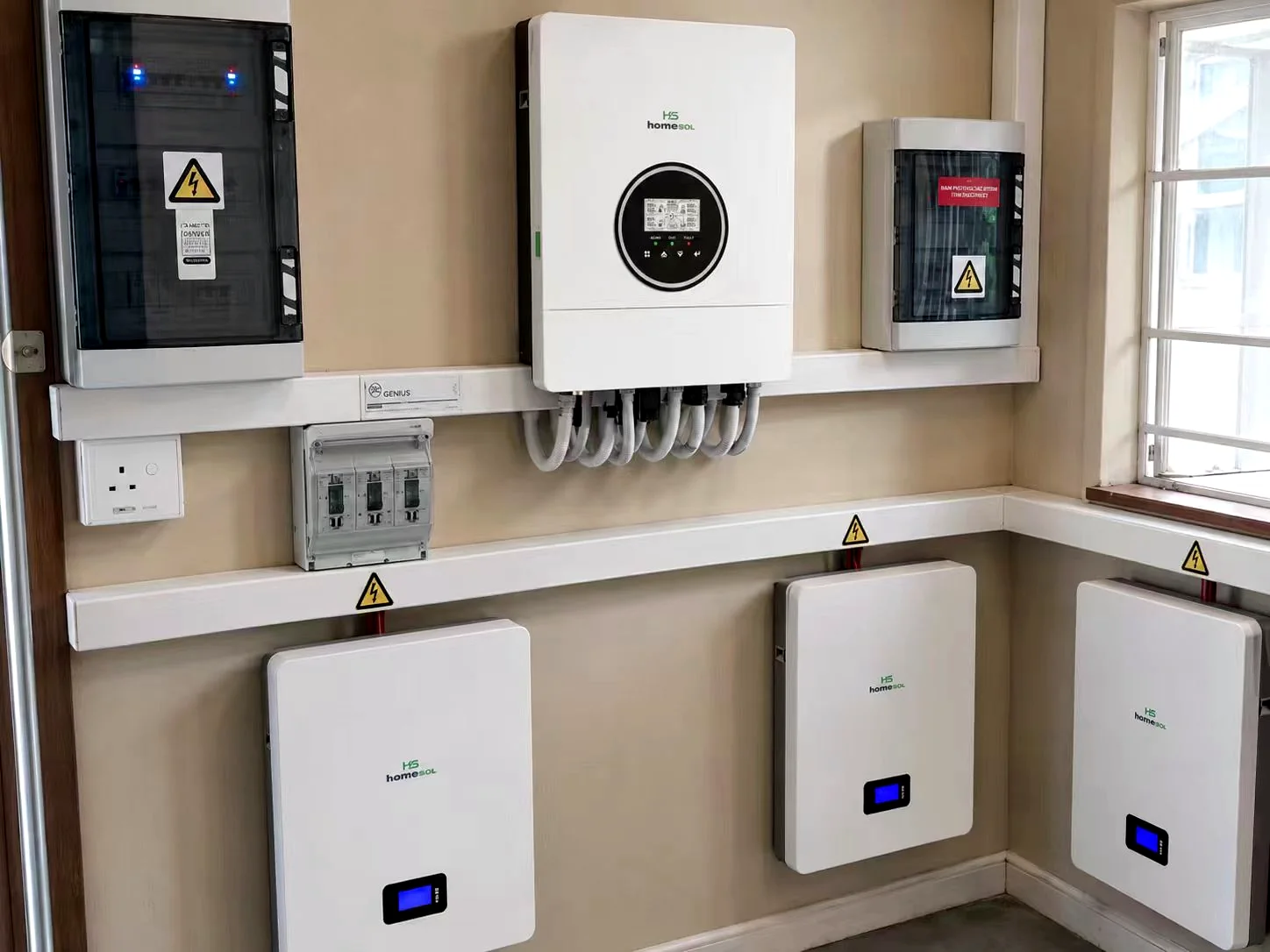
A hybrid inverter should be selected as part of a complete energy system, not from the kW number alone.
For a distributor or installer, the wrong product can create support problems even when the nominal output power looks correct. The selection needs to connect the load profile, battery platform, PV array, local grid conditions and the buyer's application.
1. Start with the Actual Load, Not the Solar Array
Identify which loads must run at the same time and which loads are critical during an outage. A system with pumps, compressors or motors can have a very different starting demand from a system with lighting, electronics and steady resistive loads.
For B2B projects, ask for a load list or at least the major appliances, simultaneous operating load and any high-starting-current equipment. This helps avoid selecting an inverter only from a customer statement such as “I need 6 kW.”
2. Confirm Battery Voltage and Storage Strategy
Battery voltage affects current, cable sizing and the practical design of the storage system. For the current HOMESOL range, NS 2.5K, NS 3.5K and NS-4.2K use 24V batteries; NS-6.2K and above use 48V. Always confirm the exact model before system design.
If the buyer wants LiFePO4 storage, also confirm the battery communication and charging requirements for the selected model rather than assuming every battery and inverter combination is interchangeable.
3. Match PV Input to the Planned Array
Check maximum PV input power, PV voltage range, open-circuit voltage and MPPT information. The PV string design must stay within the selected inverter's permitted electrical range in the actual site conditions.
For distributors, this is also a stocking decision: a model with the wrong PV window for common local panel configurations may create repeated installation questions.
4. Understand MPPT Requirements
Multiple MPPT channels can be useful where arrays face different directions or where system design requires independent PV groups. Do not treat the number of MPPTs as a generic “higher is always better” specification; match it to the actual array layout.
5. Confirm Grid and Output Requirements
Voltage and phase configuration must match the target market. For example, HOMESOL's NSP U.S.-market products use 120/240Vac split-phase architecture, while other product families target different electrical environments.
For international wholesale supply, target market should therefore be one of the first quotation fields, not an afterthought.
6. Decide Whether Backup Is Actually Required
If the buyer needs battery charging, stored-energy use and backup operation, a hybrid platform is the relevant category. If the project is purely PV generation with utility-grid interaction and no battery storage, a pure grid-tied product such as the SOL family may be a better fit.
See our hybrid vs grid-tied comparison for the category-level decision.
7. Evaluate the Supplier, Documentation and Warranty
Ask for the current datasheet, exact model code, quotation scope and warranty terms. HOMESOL's current standard website warranty is 1 year for inverters and 5 years for LiFePO4 batteries. Do not rely on old PDFs or copied sales materials if they conflict with the current confirmed product information.
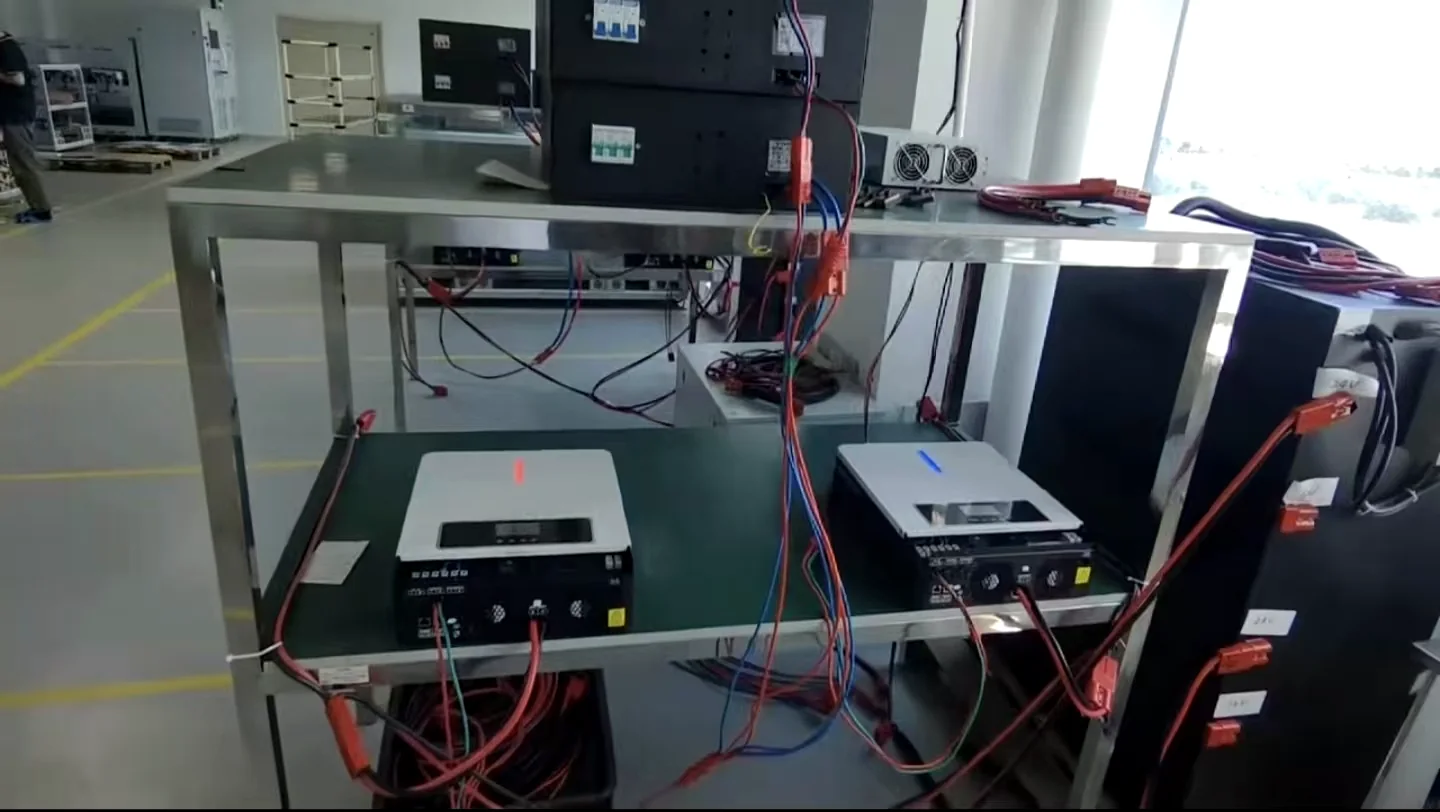
Hybrid Inverter Selection Checklist
| Item | What to Confirm |
|---|---|
| Load | Running load, starting load, critical loads |
| Battery | Voltage, capacity, chemistry, communication needs |
| PV | Power, string voltage, MPPT arrangement |
| Grid | Country, voltage, phase configuration |
| Application | Home, shop, commercial, backup, storage |
| Commercial | Quantity, timeline, OEM scope, destination |
Where to Go Next
Compare the HOMESOL hybrid inverter range, review the current product pages, or send your target market and quantity for a model-selection discussion.
Need Product Selection or Wholesale Pricing?
Send your target market, required output power, battery requirement and estimated quantity.