The word “manufacturer” on a website is not enough evidence for a B2B sourcing decision.
A useful supplier evaluation combines product accuracy, visible production evidence, test information, commercial responsiveness and repeat-order support.
1. Verify the Exact Legal and Product Identity
Ask for the company name, address, exact model codes and current product documents. Product naming should be consistent between the website, quotation and datasheet.
HOMESOL's current website uses Shenzhen HOMESOL New Energy Technology Co., Ltd. and maintains distinct product positioning for hybrid, grid-tied and U.S.-market split-phase platforms.
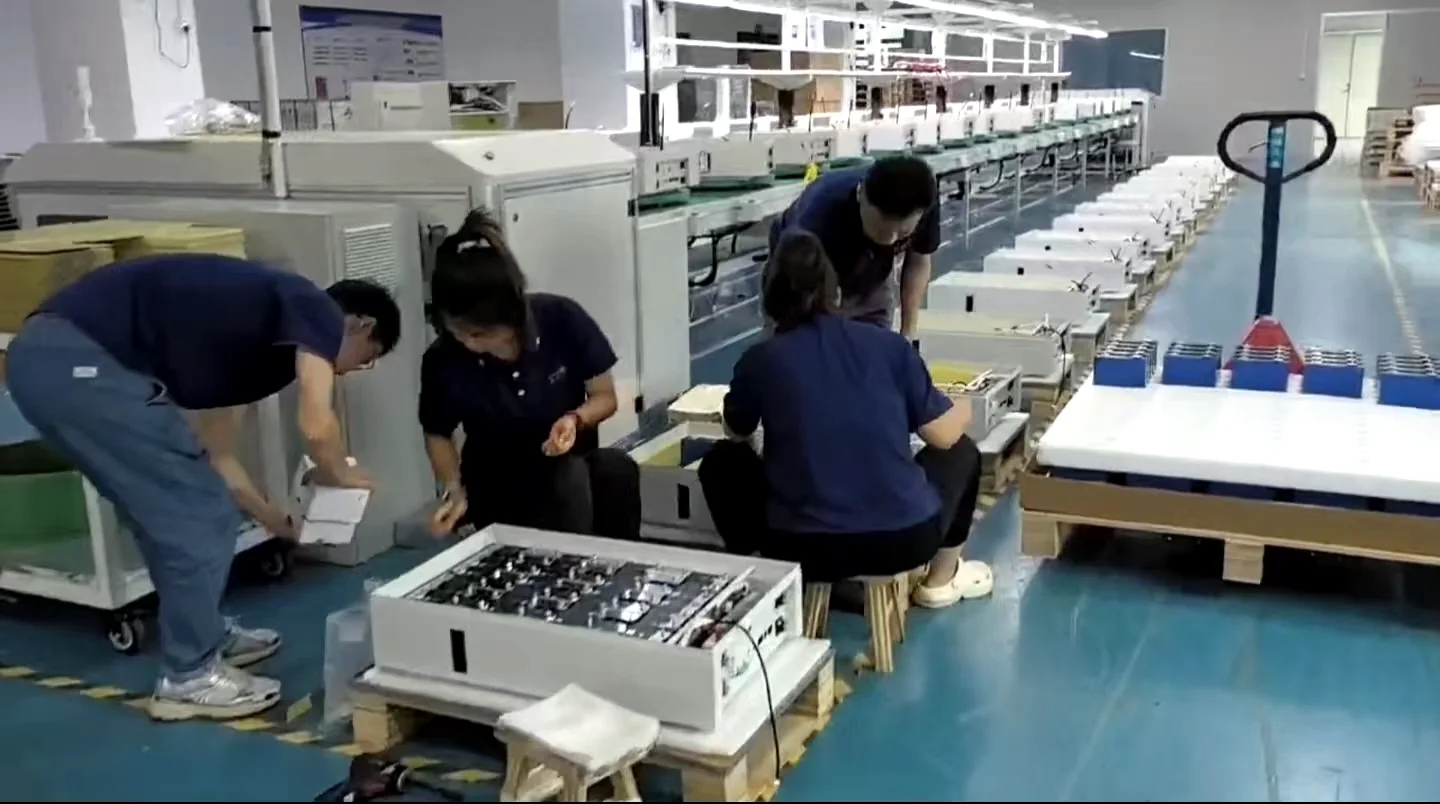
2. Look for Real Production Evidence
Factory photos should show real work areas, products, people, test equipment or shipment activity. Generic stock photography can be useful for explaining an industry, but it should not be presented as proof of a supplier's own production.
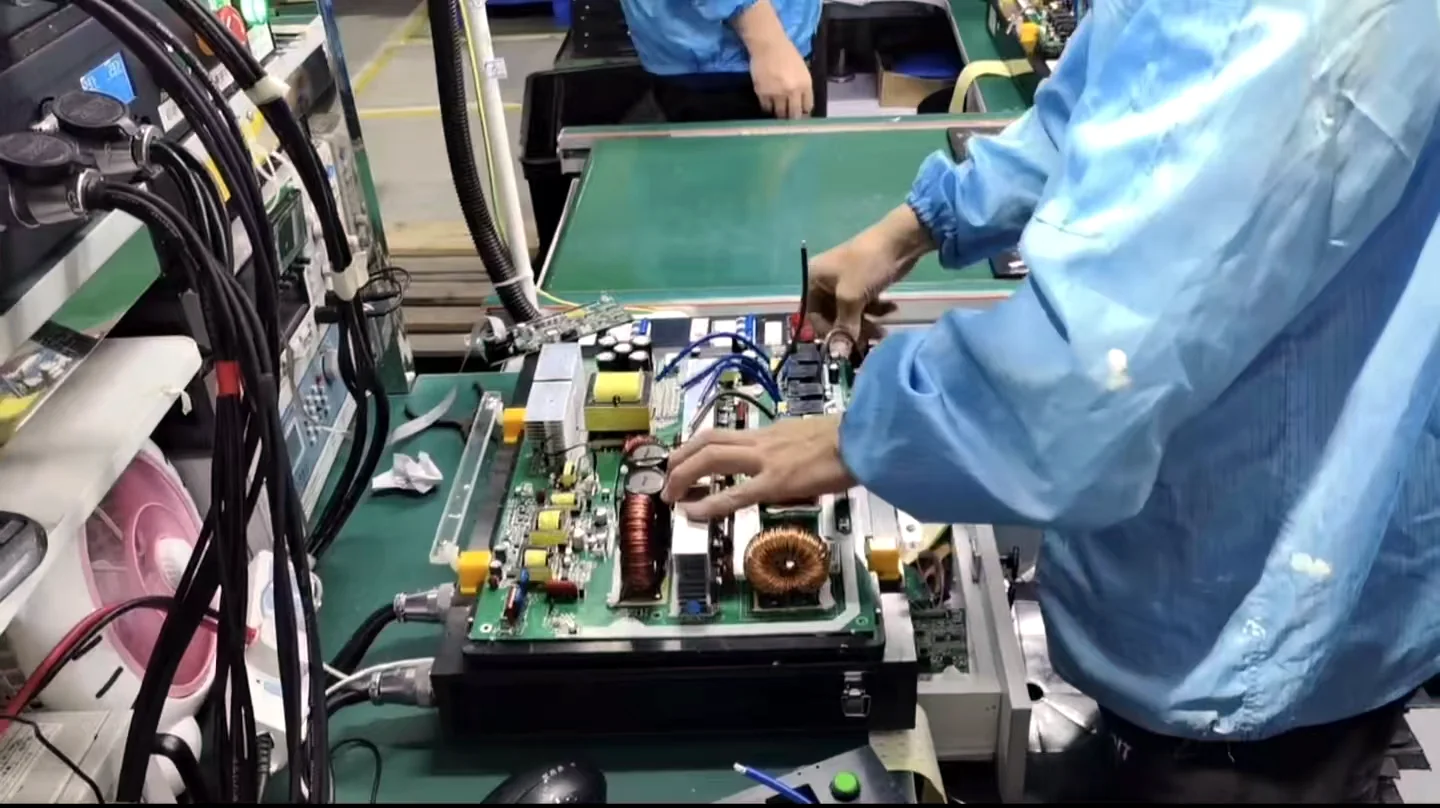
3. Ask How Products Are Tested
A serious sourcing discussion should identify which checks apply to the selected model and order. Instead of accepting a generic statement such as “100% tested,” ask what is tested, at which production stage and what documentation can be shared.
4. Check Whether the Website's Technical Information Is Consistent
Inconsistent product category, battery compatibility, warranty or model names are a warning sign. HOMESOL's current website baseline explicitly separates NS hybrid products, SOL pure grid-tied products and NSP U.S. 120/240Vac split-phase products.
5. Evaluate OEM Claims Carefully
OEM capability should be discussed at a practical level: logo, label, carton, manual, model platform, quantity and timeline. Avoid assuming that every customization is available on every SKU.
See the HOMESOL OEM manufacturer page for the current buyer workflow.
6. Compare Warranty and After-Sales Terms
Warranty should be written and consistent across quotation, website and product policy. HOMESOL's current standard website warranty is 1 year for inverters and 5 years for LiFePO4 batteries.
7. Test the Commercial Process with a Small Evaluation
Where appropriate, a sample or smaller initial order can help verify product fit, communication speed, documentation, packaging and logistics before a larger repeat order.
Manufacturer / Supplier Evaluation Table
| Area | Evidence to Request |
|---|---|
| Company | Legal name, address, contact details |
| Product | Exact model, current datasheet, product page |
| Factory | Real production and testing evidence |
| QC | Applicable test stages and checks |
| OEM | Written scope, quantity and timeline |
| Warranty | Written current terms |
| Commercial | MOQ/sample, price, lead time, shipment scope |
Evaluate HOMESOL
Review our solar inverter manufacturer page, real factory evidence and wholesale supply page before requesting a quotation.
Product verification: use the current HOMESOL product range to cross-check model identity, category and specifications before approving a supplier or bulk order.
Need Product Selection or Wholesale Pricing?
Send your target market, required output power, battery requirement and estimated quantity.