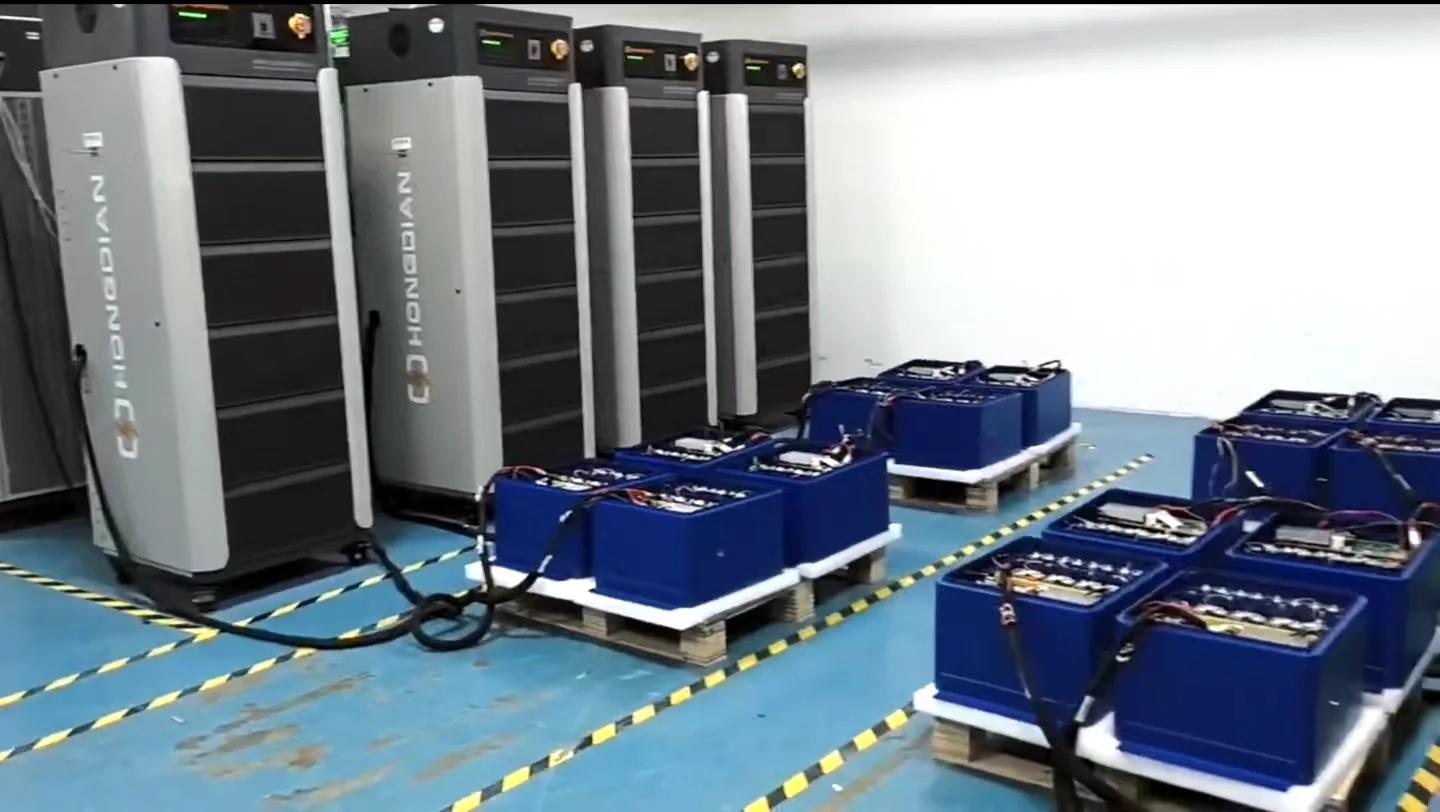
“48V hybrid inverter” describes the battery-side platform, not the full system specification.
A correct system still requires matching the inverter output, battery capacity, battery current capability, PV array and target application.
Why 48V Is Common in Storage Systems
For the same power, higher battery voltage reduces current compared with a lower-voltage system. That can make conductor sizing and current management more practical at higher inverter power levels. The exact cable and protection design must still follow the selected product data and applicable installation requirements.
Battery Current Still Matters
Power divided by voltage gives a first-order view of DC current, but real systems also include efficiency losses and operating limits. A 48V label therefore does not mean every 48V battery can support every inverter at full output.
Confirm the battery's continuous current capability, BMS limitations and the inverter's charging/discharging requirements.
Battery Capacity: kWh, Not Only Ah
For LiFePO4 storage, compare energy in kWh as well as nominal Ah. A 51.2V battery at 100Ah is approximately 5.12kWh nominal energy, while larger capacities provide more stored energy before considering usable-depth and system limits.
HOMESOL's battery product pages should be used for the exact confirmed specifications of each model.
Match PV Input Independently
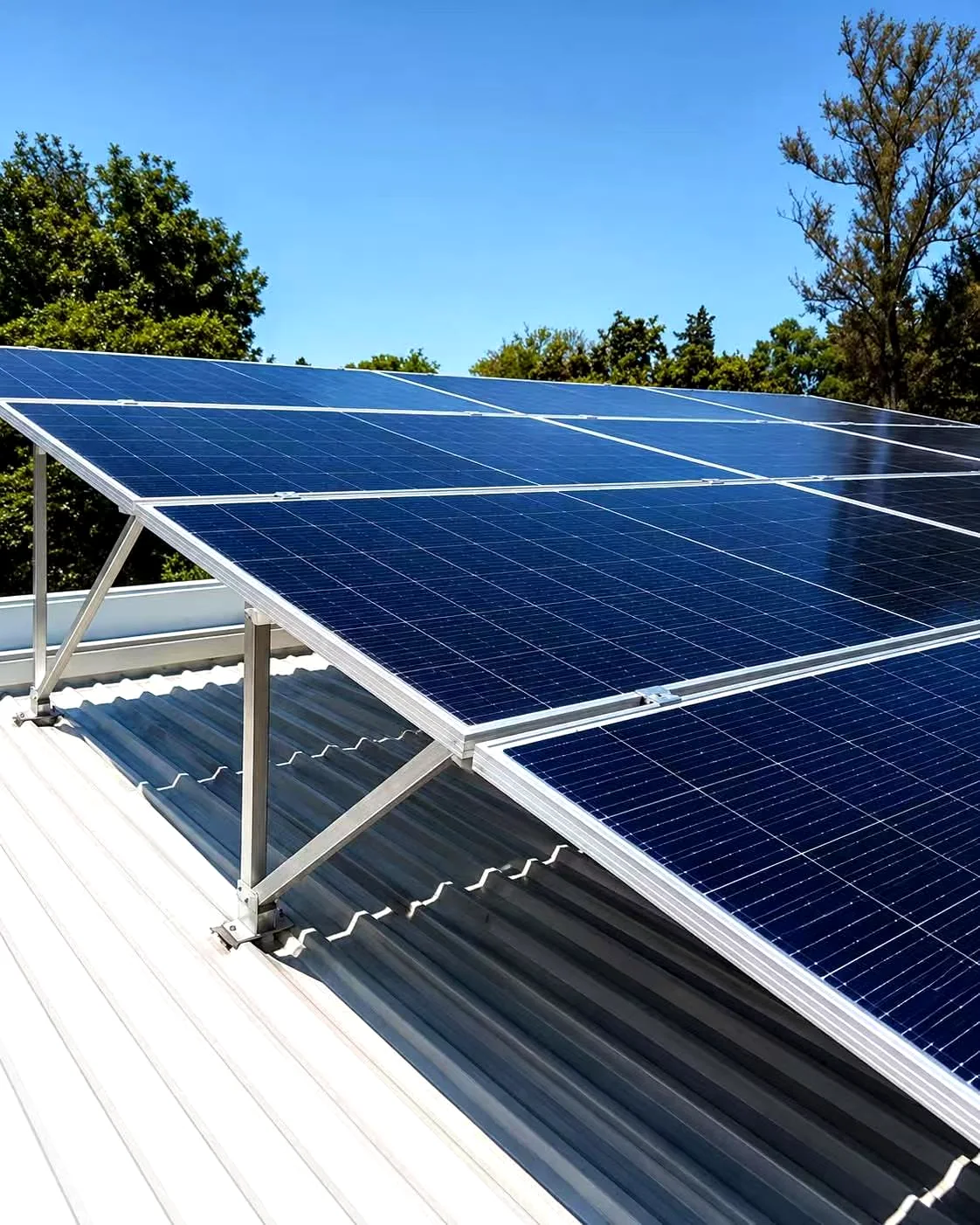
The battery being 48V does not determine the PV string voltage. Modern hybrid inverters can use much higher PV input voltages on the solar side. Check maximum PV power, MPPT voltage range, start voltage and maximum open-circuit voltage for the exact inverter.
Use a Load-First Sizing Method
Size the inverter from the required AC loads and starting demand. Size the battery from required runtime and current capability. Size the PV array from energy demand, site conditions and the selected inverter's allowed PV input.
24V vs 48V
For a more direct comparison of system current and practical use cases, read 48V vs 24V solar inverter. For larger storage applications, 48V platforms are commonly evaluated because of the current implications at higher power.
Distributor Checklist
- Exact inverter model and rated output
- Nominal battery voltage
- Maximum charge and discharge requirements
- Battery BMS and communication requirement
- PV input range and MPPT information
- Local grid voltage and phase
- Expected quantity and application
HOMESOL 48V Product Context
Review the hybrid inverter manufacturer page and individual product pages for exact current specifications. Do not extrapolate one model's electrical limits to another model.
Relevant HOMESOL 48V product pages: compare the NS 4.2K / 6.2K hybrid inverter (24V on 4.2K, 48V on 6.2K) and the NS 8.2K / 10.2K 48V hybrid inverter for current model-specific specifications.
Need Product Selection or Wholesale Pricing?
Send your target market, required output power, battery requirement and estimated quantity.